Bells Mill
KINGFISHER SPECIMEN POOL RULES
KINGFISHER · SPECIMEN CARP WATER

Fish well.
Fish safely.
Respect the water.

A little care from every angler makes a big difference. Please read these rules before your session and help us keep the Kingfisher Specimen Pool a safe, enjoyable place for everyone.
CARP CARE · SAFE TACKLE · RESPECT FOR OTHERS
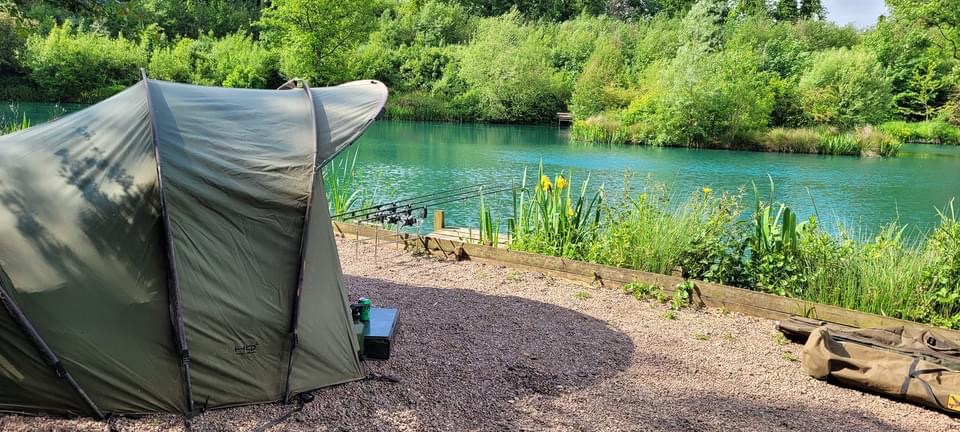
A bivvy pitched by a swim with the waters of Kingfisher behind it
Kingfisher waterside swims
KINGFISHER SPECIMEN POOL

Fishing prices.

Kingfisher is booked for 24-hour or longer stays. There are no daytime-only tickets.

STANDARD SESSION

Per 24 hours

2 rods
£30
3 rods
£35

Per angler, per 24-hour session.

SPECIAL OFFER

Sunday–Wednesday

2 rods
£75
3 rods
£85

Sunday–Wednesday special. Check available dates when booking.

Book Kingfisher / Check availability ↗

Bookings and session arrangements through GoCatch.

BEFORE YOU SET UP

A few essentials first.

Kingfisher is the Bells Mill Specimen Pool. Please read these general specimen-carp rules before fishing.

Fishery nets & cradles

Use the landing, weighing and unhooking equipment provided by Bells Mill.

Stay with your rods

Rods must not be left unattended while they are in the water.

Safeguard the fish

Safe rigs, careful handling and suitable carp-care treatment are essential.

Please check any notices on site and ask staff if you are unsure about a rule.

THE MOST IMPORTANT PART

Fish care comes first.

01 · LANDING & HANDLING

Protect every fish

Use the fishery-provided landing nets, carp cradles and weigh slings.
Do not leave rods unattended while fishing.
Keep fish wet and return them to the water safely in the provided sling.
Photograph fish kneeling over an unhooking cradle — never standing up.
Carry suitable carp-care antiseptic and use it where needed.
CARP CARE

Treat every catch
with respect.

We want every carp to go back in the best possible condition. Take your time, have equipment ready before lifting a fish and always prioritise welfare.
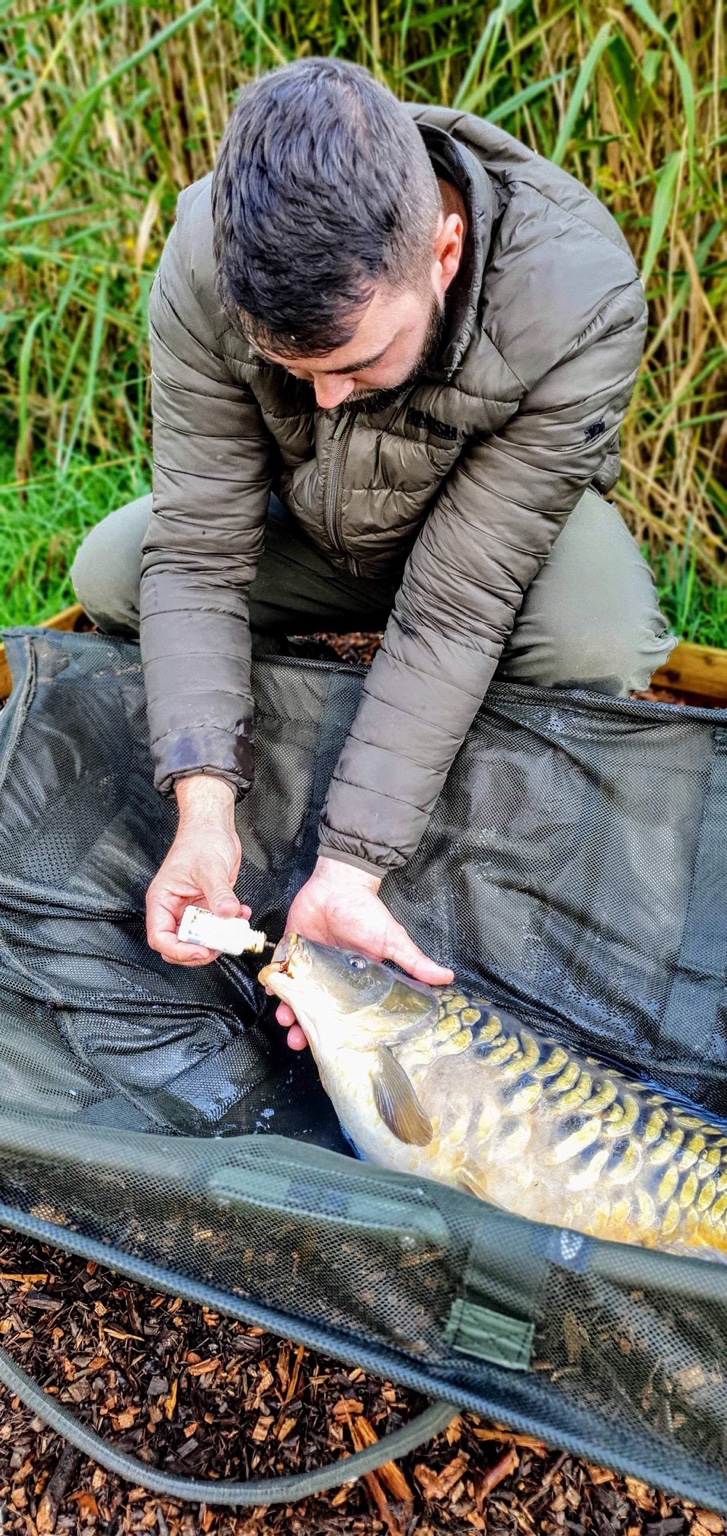
Angler applying carp-care antiseptic while supporting a carp on a padded unhooking cradle
Carp-care antiseptic applied carefully on the mat
RIGS & EQUIPMENT

Keep it safe on the bank.

02 · SAFE TACKLE

Hooks, lines & leads

Micro-barbed hooks only. Rigs may be checked.
Main line must be at least 12lb breaking strain.
No braided main line; braided hooklinks are permitted.
No leadcore or leadless braided leaders. Use permitted tubing or safe-zone style alternatives.
No fixed leads: all rigs must allow the lead to eject if snagged.
Zig rigs, surface fishing and bait boats are permitted under the published rules.
A SIMPLE RULE

If a fish gets
snagged, the lead
must come free.

Unsafe rigs put fish at risk. If you are unsure about a setup, ask a member of the fishery team before fishing.

BAIT RULES

What you can — and can’t — use.

03 · BAIT & SPECIES

Bait restrictions

No nuts, luncheon meat, bread or cheese.
Particles are allowed only when prepared correctly.
Maggots may be used from November to March under the published rules.
BAIT & FISH WELFARE

Prepare bait properly.

Only use correctly prepared particles, and check the bait restrictions before your session.

Maggots are permitted from November to March.

ON THE FISHERY

Respect the pool and each other.

04 · GENERAL SITE RULES

Look after the place

Fish only from designated swims and respect neighbouring anglers.
Take litter home or use the bins, including cigarette ends and tea bags.
Do not climb gates or fences or attach anything to the electric fence.
Respect trees, shrubs and wildlife; do not cut vegetation.
Keep radios quiet and avoid aggressive or antisocial behaviour.
No camping tents or gazebos: appropriate fishing bivvies only.
Do not use the fishery boat.
CHILDREN & SUPERVISION

Under 16?

Anglers under 16 must be accompanied by an experienced parent or guardian, as stated in the published specimen-pool rules.

BE CONSIDERATE

A peaceful fishery.

Please keep noise down, respect swim boundaries and follow any directions from staff.

BELLS MILL FISHERY
Specimen carp · Match fishing · Breakfast Cabin · Outdoor learning